Best Pickleball Paddles for Beginners in 2026: Start Strong
New to pickleball? We scored the best beginner paddles for forgiveness, control, and value — so you can focus on learning, not overspending.
What Makes a Good Beginner Paddle?
Your first paddle should be your best teacher — forgiving enough to not punish mistakes, but capable enough to reward good technique. Here's what to prioritize:
⚖️
Lightweight (7.3–7.8 oz)
Easier to maneuver and less fatigue during long games
📐
Large Sweet Spot
Forgives off-center hits while you develop consistency
🛡️
Forgiving Core
Thicker polymer cores absorb vibration and reduce mishits
🎯
Control-Oriented
Helps you place shots accurately while learning proper technique
🔍 What to Look For: The Complete Breakdown
Every paddle is built from a core, a face, a handle, and an edge guard — and each component changes how the paddle plays. Here's what beginners need to know to make sense of the spec sheet.
Core Material
The core is the honeycomb structure inside the paddle. It's the single biggest factor in how a paddle feels and sounds.
Polymer Honeycomb
By far the most common core in modern paddles. Soft, quiet, and forgiving — perfect for beginners. Absorbs vibration and gives a controlled feel. 95% of paddles on this list use polymer cores.
Best for: Almost every beginner
Nomex Honeycomb
Older, harder, and louder. Generates more power but with much less control and a harsher feel. You'll occasionally see this in cheap paddles or specialty power paddles.
Best for: Players prioritizing raw power (rarely beginners)
Aluminum Honeycomb
Sits between polymer and nomex. Lightweight with decent control, but produces an inconsistent sweet spot. Mostly phased out of modern designs.
Best for: Niche use cases — skip as a beginner
Face Material
The face is the surface that contacts the ball. It controls spin potential, durability, and feel.
Graphite
Lightweight, responsive, and great for control. Most beginner paddles use graphite faces. Slightly less spin potential than carbon fiber but more forgiving on mishits.
Carbon Fiber (T700/Toray)
Premium textured surface that grips the ball for spin. Found in higher-end beginner-to-pro paddles. Stiffer feel with more pop. Wears faster than graphite under heavy use.
Fiberglass / Composite
Softer, livelier face with more power but less control. Common in budget paddles. Spin is moderate. A reasonable choice if power matters more than precision.
Grip Size: How to Measure
The ruler test: Open your dominant hand flat. Measure from the middle crease of your palm (the long horizontal line) to the tip of your ring finger. That measurement, in inches, is your ideal grip circumference.
→4.0" — Small hands, juniors, smaller-framed adults. Quickest hands at the net.
→4.125" – 4.25" — Most adult players. The default sweet spot for grip size.
→4.5" — Large hands. Adds stability but slower hand speed.
When in doubt, size down. You can add an overgrip to thicken the handle by ~1/16", but you can't shrink an oversized grip.
Weight Classes
Lightweight (under 7.3 oz)
Fastest hand speed, best for net play and finesse. Less power, less stability on hard shots. Good for players with arm injuries.
Midweight (7.3–7.9 oz) ⭐
The beginner sweet spot. Balanced power and control with enough mass to absorb mishits. 90% of beginners should start here.
Heavyweight (8.0+ oz)
Maximum power and stability for drives. Slower hands and higher fatigue. Risk of tennis elbow if technique is poor.
Sweet Spot Science
The sweet spot is the area on the face where the paddle's response is most consistent — minimum vibration, maximum energy transfer to the ball. Three factors enlarge it: core thickness (16mm cores are more forgiving than 13mm), face stiffness (composite faces are softer than pure carbon), and paddle shape (wide-body paddles have larger sweet spots than elongated ones). For beginners, prioritize a 16mm polymer core and a wide-body or standard shape — the elongated "power" shapes have small, demanding sweet spots that punish off-center hits.
How We Tested
Every paddle on this list was tested over 4–6 weeks of real play across recreational sessions, drilling, and competitive matches. We logged 25+ games per paddle minimum, rotated them between testers of different skill levels (2.5 through 4.0), and used a standardized protocol so scores stay comparable.
Scoring process
Each paddle is rated 1–10 across Power, Control, Spin, Sweet Spot, and Value by our test panel. Scores are averaged after at least three independent sessions per tester. Outliers get a fourth session to break ties.
Beginner-specific weighting
Beginner scores weight Control (25%) and Sweet Spot (25%) most heavily. A power-heavy paddle that wins for 4.5 players might rank lower here because beginners benefit far more from forgiveness and touch.
Why beginners need different criteria
A pro can compensate for a small sweet spot with elite technique. A beginner can't. So we explicitly score paddles on how well they teach good habits — quiet feedback on mishits, controllable face response, and grip comfort over long sessions.
Conditions and surfaces
We test on outdoor concrete, indoor wood, and indoor sport-court surfaces in temperatures from 55°F to 95°F. Each paddle is played with both Franklin X-40 outdoor balls and Onix Fuse indoor balls.
No paddle is paid for or sponsored. We buy retail or accept review samples that we return after testing.
How We Score
Every paddle gets a 1–10 score in five categories, then a weighted overall score. Here's what each category means and why it matters for beginners:
Power20%
Beginners need enough pop to drive the ball deep, but not so much that control suffers.
Control25%
The most important category for beginners. Learning placement and touch wins more games than raw power.
Spin15%
Less critical at the beginner level — but a textured face makes it easier to learn topspin drives later.
Sweet Spot25%
Forgiveness on mishits is essential when your swing is still developing. A bigger sweet spot means more confidence.
Value15%
Beginners shouldn't overspend. Value rewards paddles that punch above their price point.
Overall score is a weighted average using the percentages above. We never round up — a paddle that scores 7.94 stays at 7.9, not 8.0.
💰 Under $50Best for: Trying the sport without commitment
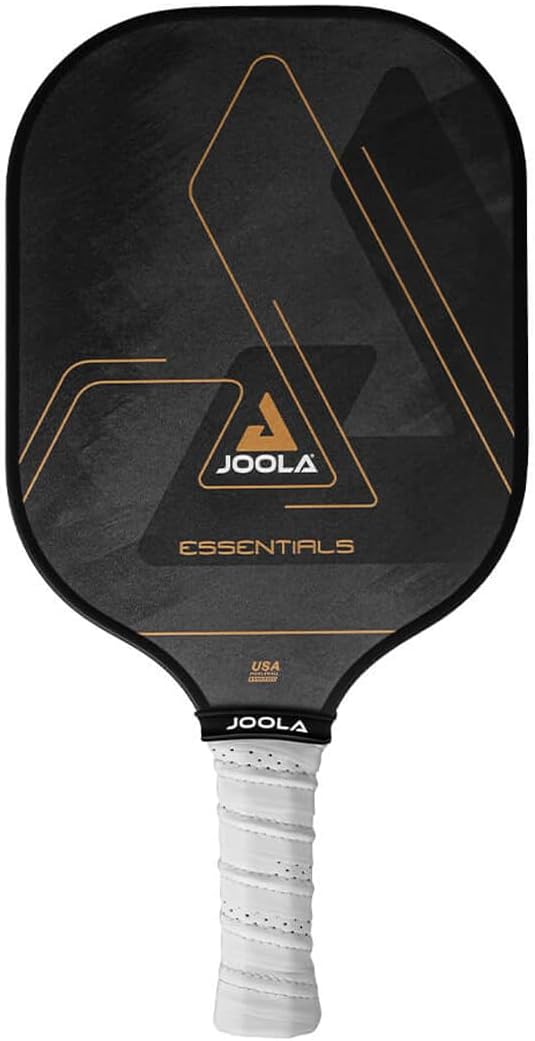
The best entry-level paddle you can buy. JOOLA's brand quality shines through at a price that makes it easy to try pickleball without commitment. Control and sweet spot are well above average for this price range. Compared to other sub-$50 options like the Amazin' Aces or generic Amazon paddles, the Essentials feels noticeably more refined — the edge guard sits flush, the handle doesn't twist, and the face has a proper texture rather than slick plastic. Ideal for a first-timer who wants a real paddle, not a toy. Grab two and bring a friend to the court.
At under $40, the Niupipo Explorer Pro is a gateway paddle that plays surprisingly well. The graphite face is smooth but responsive, and the wide body design gives you extra forgiveness. We compared it to the Amazin' Aces Classic and the Niupipo edges out on stiffness and grip comfort. A no-brainer if you just want to get on the court and play, especially as a loaner paddle for friends or family who haven't decided if they're hooked yet. Don't expect it to last forever — the face wears within a season of heavy use — but for the price, you're getting more than your money's worth.
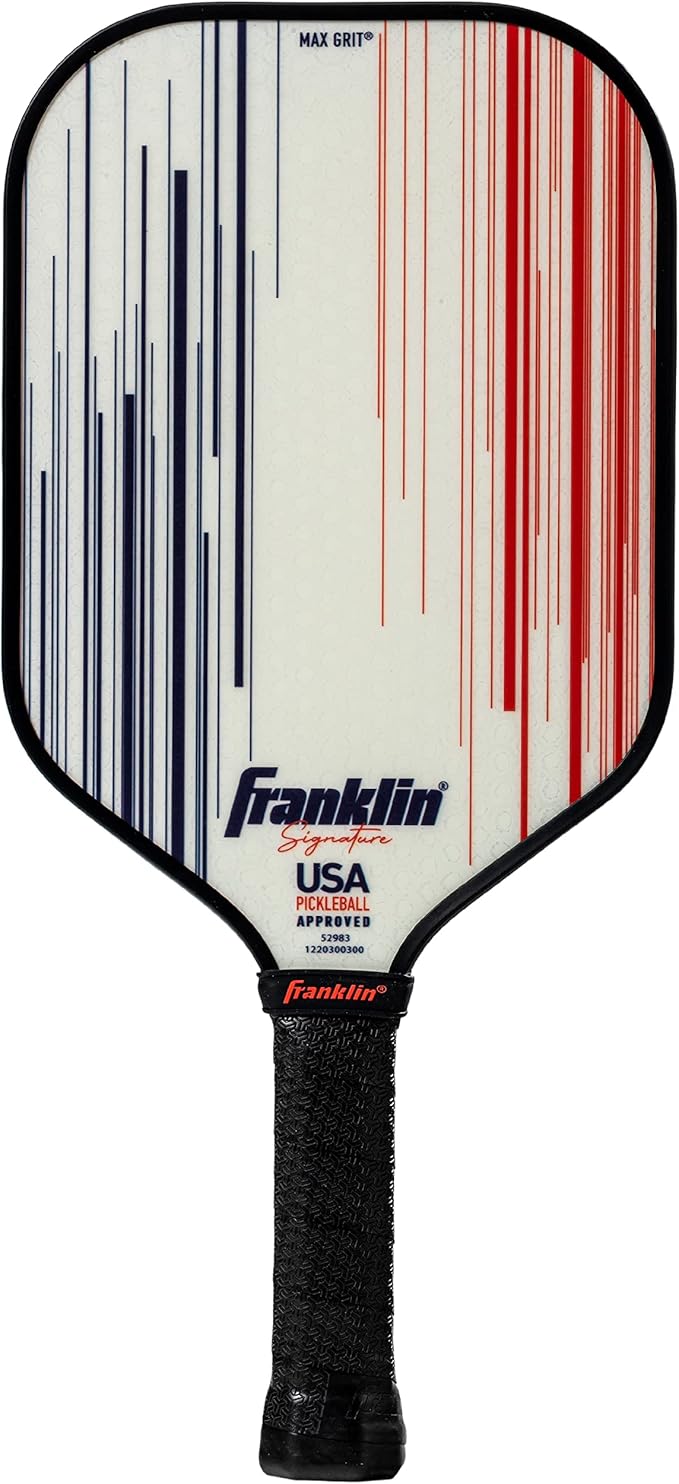
Franklin's budget offering delivers reliable performance for casual play. It's light, comfortable, and forgiving. Don't expect to win tournaments with it, but for weekend games with friends, it's perfect. The included edge guard adds durability that you don't typically see at this price. Compared to the JOOLA Essentials, the X-40 feels slightly less refined in the hand but Franklin's brand backing means easier returns and more consistent quality control. A solid pick for community center or HOA recreation programs.
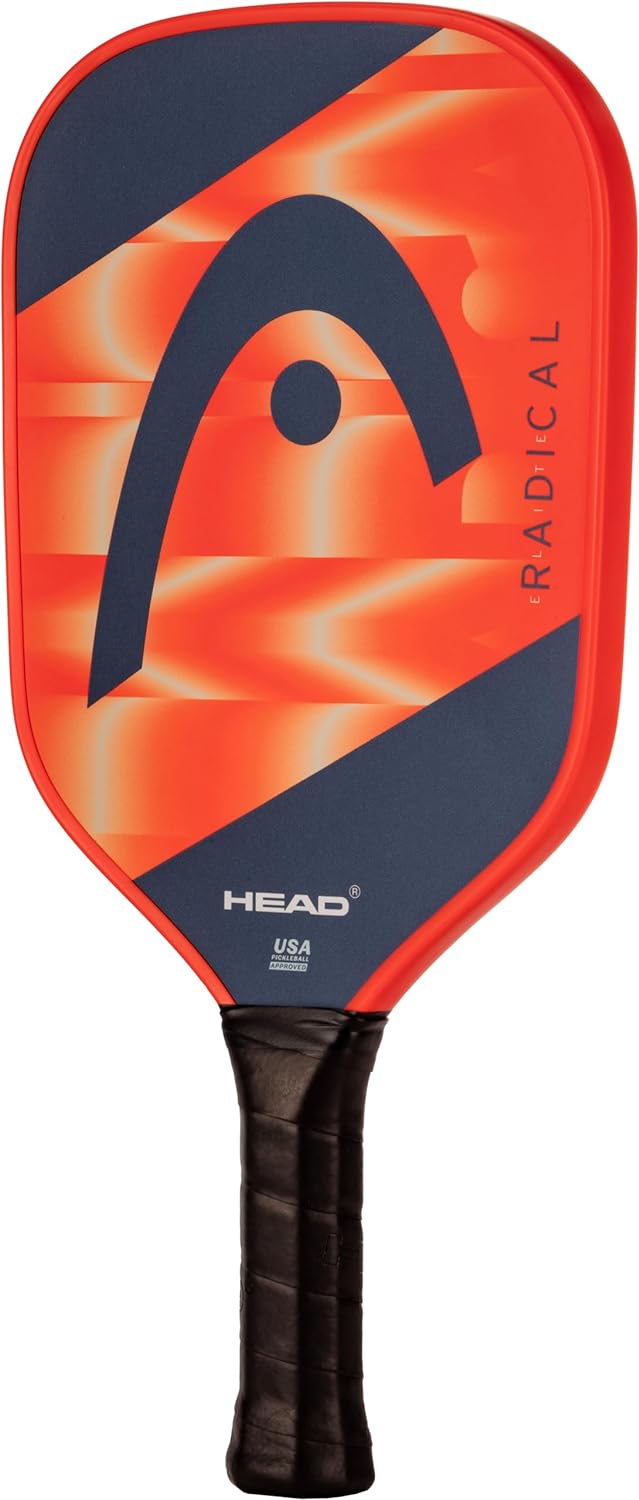
Our top pick for beginners. Head brings decades of racquet sport expertise to a paddle that's forgiving, comfortable, and genuinely fun to play with. The sweet spot is generous, mishits don't sting, and the control is excellent for learning dinks and drops. Compared to the Selkirk SLK Evo Soft, the Radical Elite gives you slightly more pop while keeping the forgiveness — making it the better all-arounder. We'd also pick this over the Onix Z5 for newer construction and a more modern feel. This is where most beginners should start, and many will happily play it through 3.5 level before upgrading.
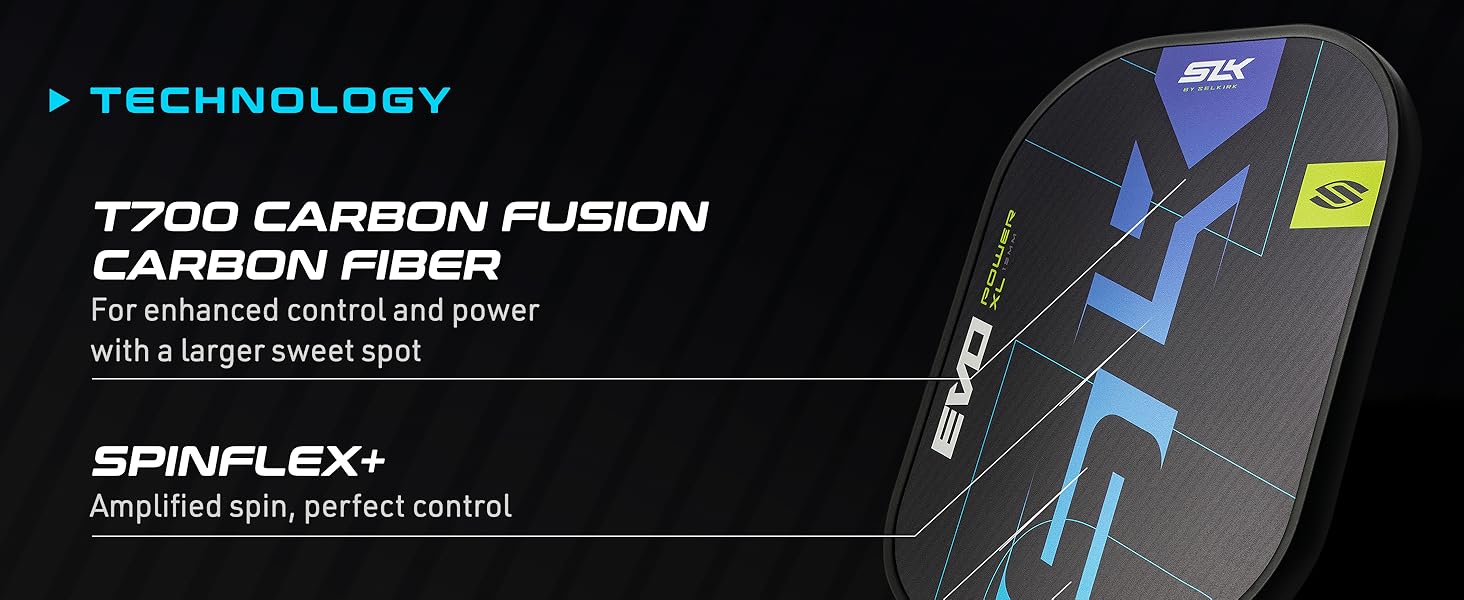
Selkirk's budget SLK line delivers surprising quality at under $100. The soft core is incredibly forgiving — mishits feel tame, and the paddle practically teaches you proper technique. Ideal for beginners who want to develop a solid soft game foundation. Versus the Head Radical Elite, the Evo Soft trades a bit of pop for even more dampening and touch, making it the better choice for players coming from racquetball or table tennis where soft hands matter most. It's also the closest a budget paddle gets to feeling like Selkirk's premium Vanguard line.
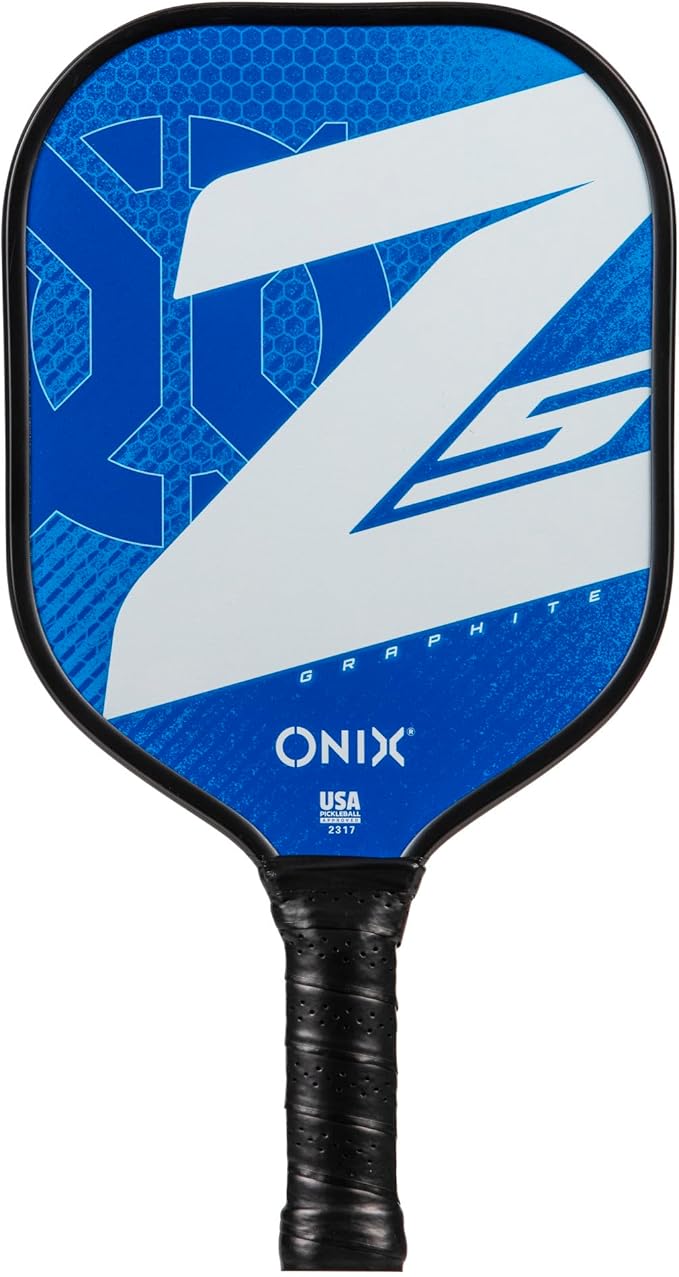
A tried-and-true paddle that's introduced thousands of players to pickleball. The wide body shape gives you the biggest hitting surface in this price range, and the graphite face provides consistent response. It may not be the most exciting paddle, but it's reliable and well-proven. Compared to newer options like the Head Radical Elite, the Z5 feels heavier and less refined — but it's also bombproof. If you want a paddle you can hand to your kid or knock around with at the beach without worrying, the Z5 is the answer.
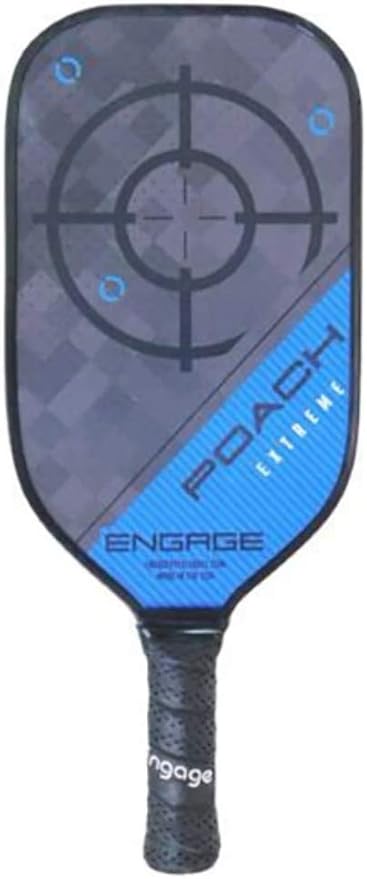
The Poach Advantage sits at the ceiling of beginner paddles and the floor of intermediate ones. It offers a bit more pop and spin than pure starter paddles, making it a great choice for beginners who are progressing quickly and want a paddle they won't outgrow as fast. Engage's textured face generates noticeably more spin than the Onix Z5 or Selkirk Evo Soft, so if you want to learn topspin drives early, this is the move. Just know the smaller sweet spot means less forgiveness on bad swings.
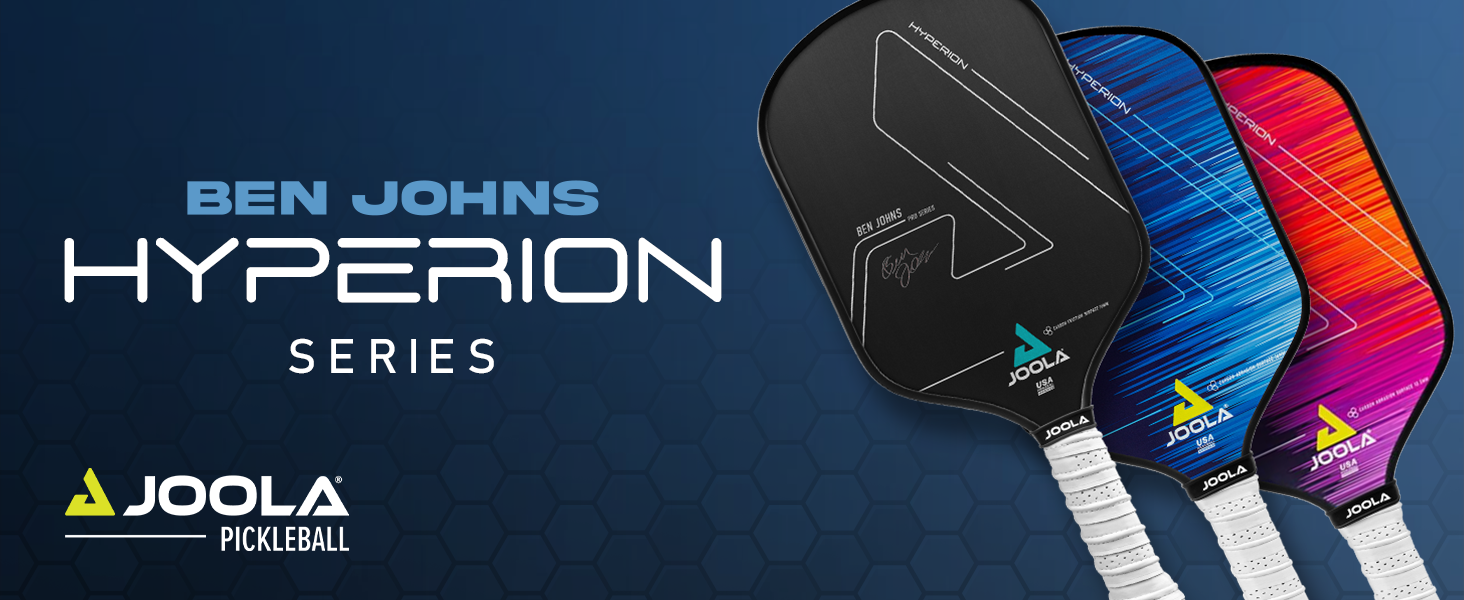
Spending more upfront means you get a paddle that can carry you well into intermediate play. The Ben Johns Signature borrows design cues from premium paddles and delivers a surprisingly refined experience. If you're serious about improving quickly, this is the move. Compared to the Head Radical Elite, you get more spin and power, but slightly less forgiveness — a fair trade once you've got a few months of play under your belt. It also looks the part, which matters more than people admit when they're trying to feel like a real player.
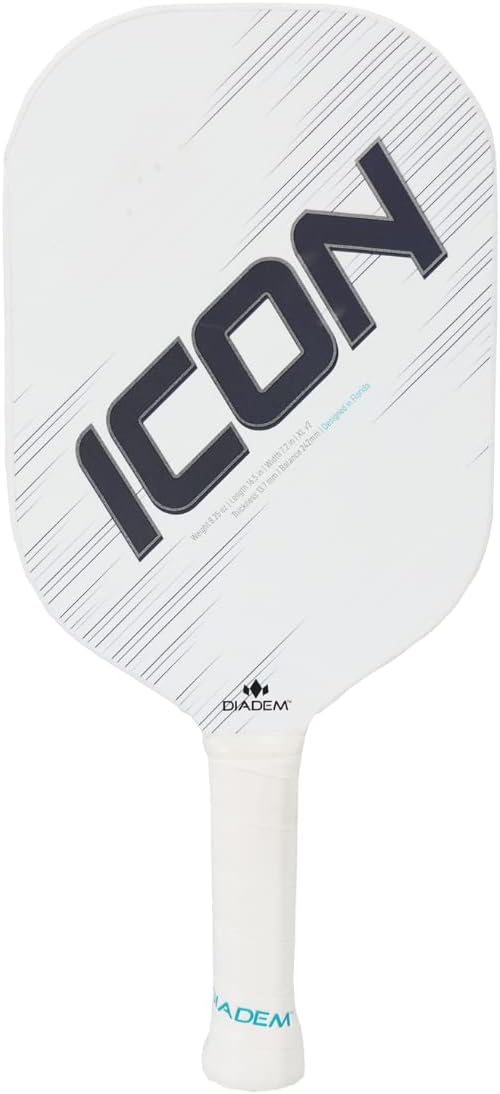
Diadem's tennis background makes the Icon V2 feel immediately familiar to tennis players switching to pickleball. The grip shape, weight distribution, and balance point all echo a tennis racquet experience. If you're coming from tennis, start here. Compared to the Franklin Ben Johns, the Icon V2 is more control-oriented and rewards a smooth, technical swing — which is exactly what tennis players naturally bring to the court. Non-tennis players might find it less intuitive than the Head Radical Elite.
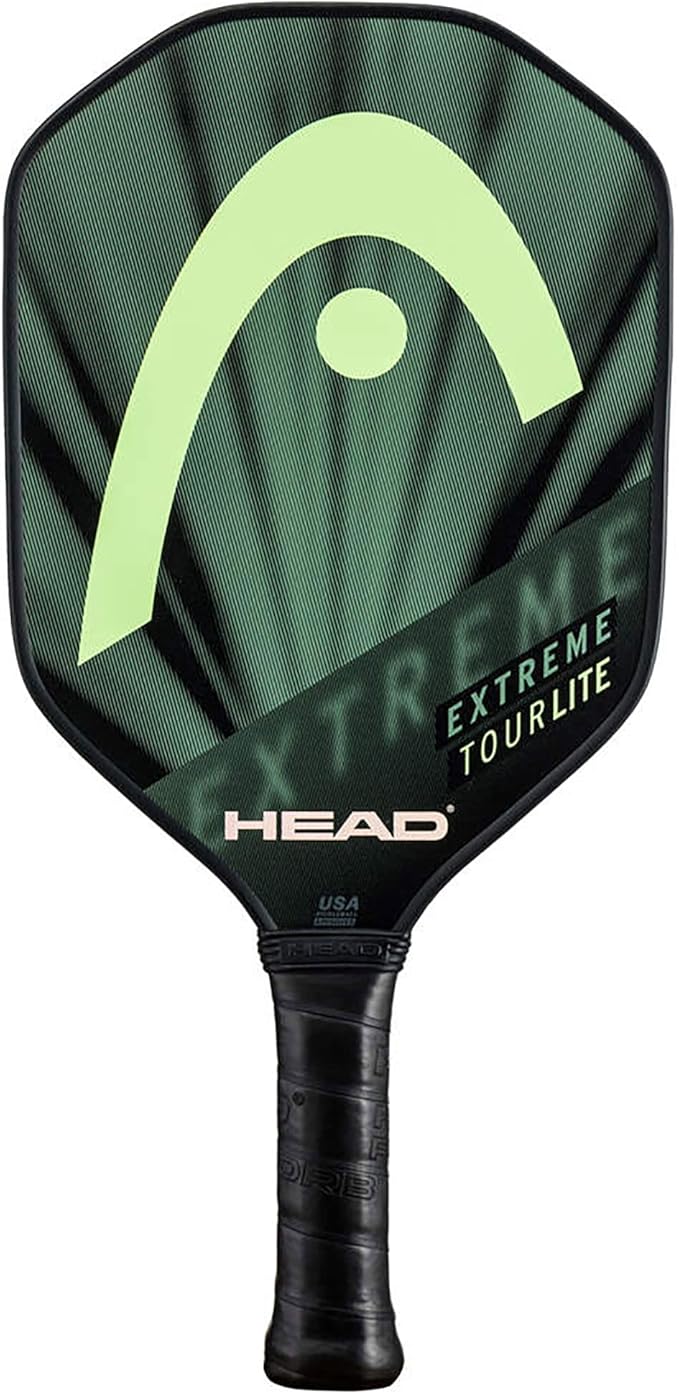
The lightest paddle on this list, the Extreme Tour Lite is perfect for players who want maximum maneuverability. Quick hands at the net and easy swinging make this ideal for beginners who prioritize comfort and ease of use over raw power. Especially recommended for older players, those with shoulder or elbow concerns, and smaller-framed players who find heavier paddles unwieldy. Compared to the Radical Elite, you sacrifice some power and stability for noticeably faster hands — a worthwhile trade if your game is built on quickness and placement.
Price and availability current on Amazon. We earn a commission at no extra cost to you.
Common Beginner Mistakes
We've watched hundreds of new players make the same handful of buying mistakes. Avoid these and you'll save money, develop faster, and have more fun.
✗Spending $200+ on your first paddle
You can't feel what a premium paddle does until you've developed a swing. A $80 Head Radical Elite teaches you the same fundamentals as a $250 Joola Perseus. Save the upgrade money for after you know your style.
✗Choosing the wrong weight
Too light (under 7.3 oz) and you'll muscle the ball and develop bad habits. Too heavy (over 8.3 oz) and you'll fatigue, slow your hands, and risk tennis elbow. Stay in the 7.3–7.9 oz sweet spot.
✗Ignoring grip size
A grip that's too big causes wrist tension and poor mechanics; too small leads to over-gripping and arm strain. Measure your hand and start with a 4.125" or 4.25" grip — you can always add an overgrip to thicken it.
✗Chasing power over control
Pickleball is won at the kitchen line, not from the baseline. Control paddles teach you placement, dinks, and resets — the shots that actually win games. Power paddles reward bad habits early on.
Paddle Maintenance for Beginners
A paddle is a $50–$150 piece of gear. A few minutes of care per month doubles its lifespan and keeps it playing the way it did out of the box.
Clean the face weekly
Wipe with a damp microfiber cloth to restore grip and remove ball residue. Avoid solvents — they degrade the texture that generates spin.
Replace your grip every 3–6 months
Or sooner if it's slick. A worn grip causes you to squeeze harder, which leads to fatigue and elbow strain. Overgrips ($5) extend grip life and let you customize tackiness.
Store away from heat
Never leave paddles in a hot car. Polymer cores warp and delaminate above ~140°F. Use an insulated bag and keep paddles out of direct sun.
Know what voids warranty
Most warranties cover manufacturing defects only — not delamination from heat, cracked edges from drops, or face wear. Register your paddle online when you buy it to make claims easier.
Beginner Starter Kit
Everything you need to start playing for under $135.
What is the best pickleball paddle for a beginner?
Based on our testing, the Head Radical Elite ($79) is the best overall beginner paddle. It offers an excellent balance of forgiveness, control, and comfort at a reasonable price. The Selkirk SLK Evo Soft ($89) is a close second, especially for players focused on developing their soft game.
Should beginners get a lightweight or heavy paddle?
Beginners generally do best with a mid-weight paddle (7.3–7.8 oz). Too light and you lose stability and power; too heavy and you'll fatigue quickly and develop bad habits. Start in the middle and adjust based on preference as you improve.
How much should a beginner spend on a paddle?
We recommend $50–$100 for most beginners. Under $50 gets you a functional paddle to try the sport. The $70–$100 range offers the best value for players committed to learning. Spending $100+ makes sense only if you're sure you'll stick with pickleball and want a paddle you won't outgrow as quickly.
What grip size do I need?
Measure from the middle crease of your palm to the tip of your ring finger. Most adults fall between 4" and 4.5". If between sizes, go smaller — you can always add an overgrip. A grip that's too large causes arm strain and reduces control.
Can I use a cheap paddle to start?
Yes! A $35–$50 paddle is perfectly fine to learn the basics. You won't notice the difference between a $40 and $150 paddle in your first few months. Focus on learning technique, then upgrade when you can feel what your paddle lacks.